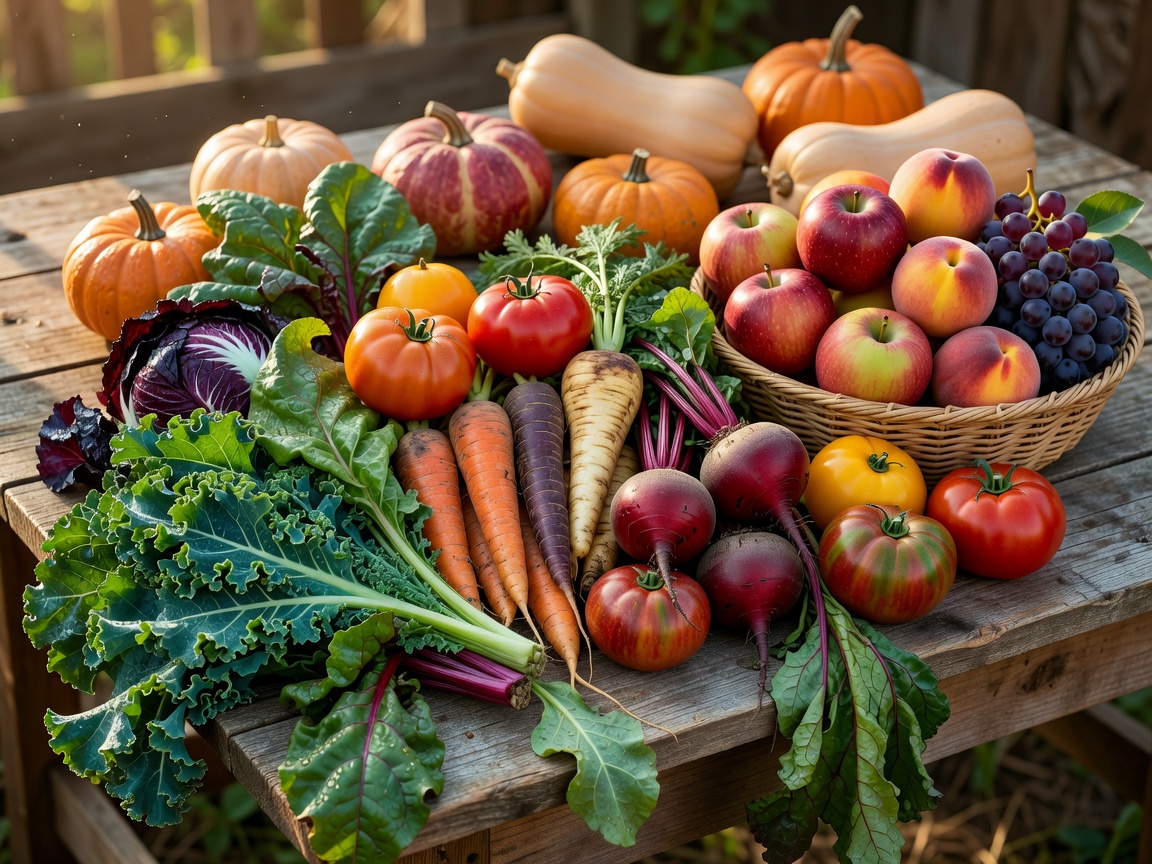
Why Seasonal Eating Matters More Than Ever
In an age where grocery stores offer imported produce year-round, returning to seasonal eating reconnects us with natural biological cycles. Produce harvested at natural peak maturity contains higher concentrations of phytonutrients, antioxidants, and essential vitamins compared to crops harvested prematurely for long-distance transport.
Key Insight: Studies show that spinach harvested during its natural spring and autumn seasons contains up to three times more vitamin C than winter greenhouse crops harvested out of season.
Benefits of Seasonal Market Shopping
Purchasing produce in season directly from local growers provides significant advantages:
- Superior Flavor & Aroma: Sun-ripened crops develop natural sugars and aromatic compounds fully before harvest.
- Lower Environmental Footprint: Reduced transit mileage cuts carbon emissions from air freight and refrigerated long-haul trucking.
- Economic Resilience: Money spent at local farmers markets stays within your regional agricultural ecosystem.
How to Adapt Your Diet Season by Season
Building a seasonal kitchen requires adjusting cooking techniques throughout the year. Spring calls for light steaming and fresh salads featuring tender greens and radishes. Summer highlights raw heirloom salads and fresh berry preserves. Autumn welcomes slow roasting with root vegetables, and winter emphasizes hearty stews enriched with squash and stored cabbage.